Face Recognition Devices - Face Recognition System
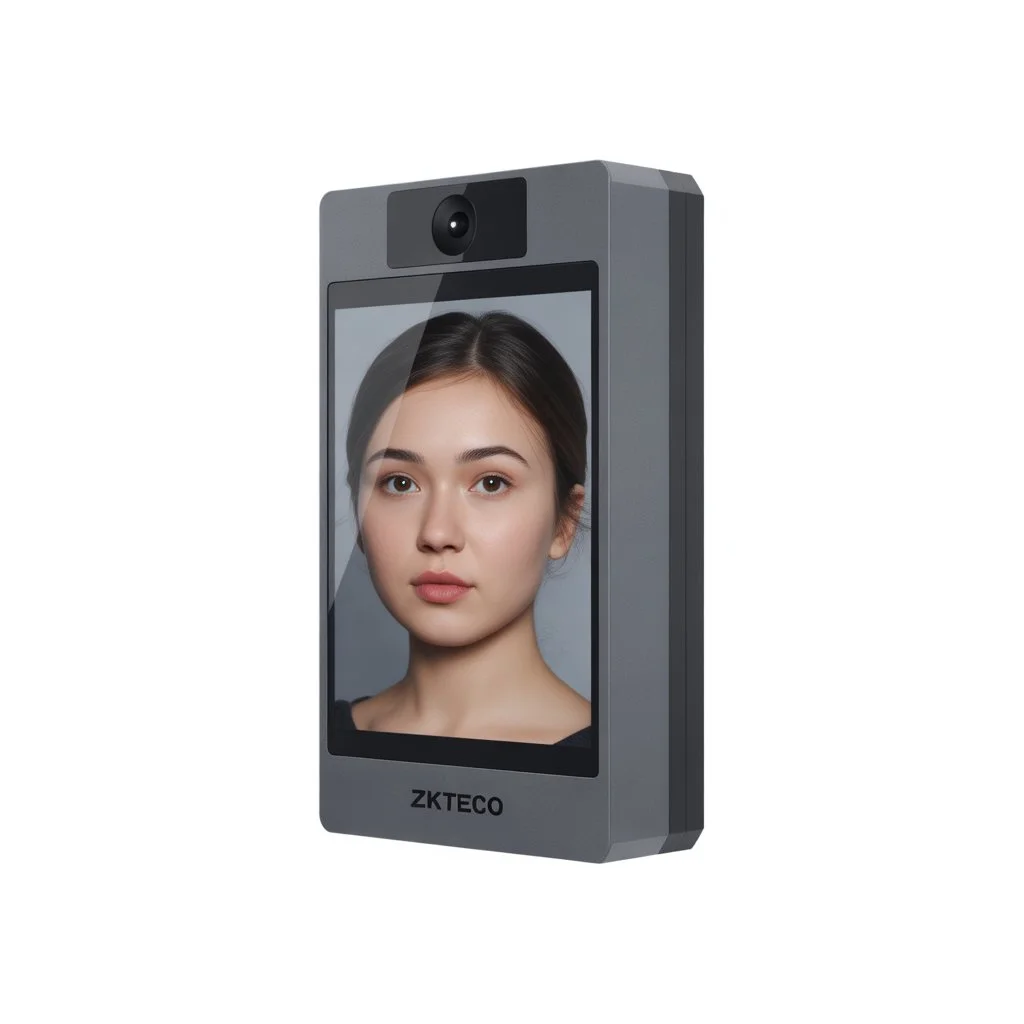
Why Face Recognition Devices - Face Recognition System?
Security
Secure cloud infrastructure and data protection
Reporting
Detailed analysis and reporting tools
Integration
Integration support with 58+ brands
Facial Recognition Devices
Facial recognition devices are devices that use biometric technology to identify and verify individuals by their facial features. These devices are used in various applications such as security, access control, asset tracking, and enhancing consumer experience. Here is a detailed explanation of facial recognition devices:
Basic Components
Facial Recognition Software: This software includes the necessary algorithms for detecting, analyzing, and recognizing faces. The software identifies individuals by evaluating the contours, features, and similarities of their faces.
Cameras: Specially designed cameras for facial recognition devices capture images of faces. These cameras can use infrared (IR) or other advanced technologies to work effectively even in low-light conditions.
Processing Unit: Facial recognition processes require high computational power. Therefore, devices usually include a powerful processing unit (CPU or GPU).
Database: Facial recognition devices use a database to store the facial features and information of identified individuals. This database provides fast access for real-time recognition processes.
Working Principle
Face Detection: The device analyzes the images captured by the camera to determine the locations of faces. This step distinguishes the face from other objects.
Feature Extraction: At the determined location of the face, the device analyzes the contours and features of the face (eyes, nose, mouth, jawline, etc.). These features are used as unique identifiers of the face.
Recognition and Matching: The device compares the analyzed facial features with the registered faces in the database. The record with the highest similarity score is identified as the identity of the recognized individual.
Action or Output: If the recognition process is successful, the device can trigger a specific action. This action can be opening doors in access control, activating alarms in security applications, or providing personalized services in consumer experience.
Features
Real-Time Recognition: Facial recognition devices can recognize faces in real-time and trigger actions quickly.
High Accuracy: Thanks to advanced algorithms and high-resolution cameras, facial recognition devices can achieve high accuracy rates.
Security: Facial recognition is considered one of the biometric authentication methods and provides high security standards.
User Experience: Facial recognition devices offer a touchless and fast authentication experience for users.
Flexibility: Facial recognition devices can work effectively in various environments and different lighting conditions.
Applications
Access Control: Facial recognition devices are used to control access to offices, buildings, or specific areas.
Security Applications: They are used for security purposes at airports, train stations, and similar places.
Asset Tracking: They are used for tracking personnel in workplaces or students in schools.
Consumer Experience: They are used in stores and service points to recognize customers and provide personalized services.
Parking Systems: They are used at parking entrances and exits to grant access by recognizing the faces of vehicle owners.
Technological Developments
Facial recognition technology is continuously evolving with deep learning and artificial intelligence (AI) algorithms. These developments increase the accuracy of the systems while making them more flexible and user-friendly.
Example Devices
Kiosks: Self-service kiosks used at airports and train stations perform check-in processes quickly by recognizing the faces of passengers.
Security Systems: Security systems used in offices and buildings provide access control by recognizing the faces of authorized individuals.
Asset Tracking Devices: Asset tracking devices used in workplaces and schools track the presence of personnel and students in real-time.
Customer Service: Customer service devices used in stores and service points provide personalized services by recognizing the faces of customers.
Parking Systems: Devices used at parking entrances and exits grant access quickly and effectively by recognizing the faces of vehicle owners.
Facial recognition devices are an important technological tool in various sectors to enhance security, efficiency, and user experience. The use of these devices is becoming increasingly widespread as part of digital transformation.


Custom Face Recognition Devices - Face Recognit Solution for You
Software solutions tailored to your needs. Contact us now for free demo and quote.